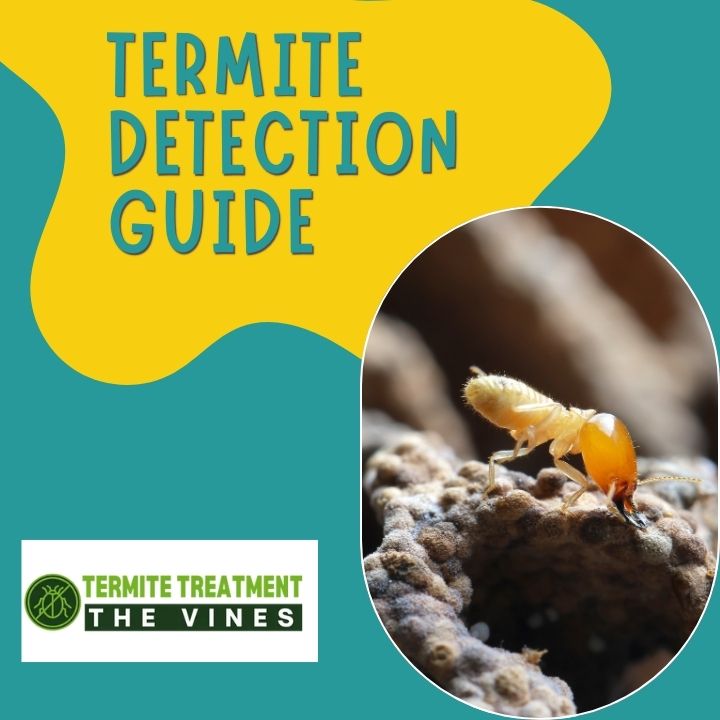
Termite Behaviour and Castes
Termites are a major issue in many areas of Perth, including The Vines. These pests are tiny, but they can do major damage. By learning about termite behavior, and the various castes in a colony it may be easier to control an infestation early on.
How Termite Colonies Work
Termites always live in colonies. Within each colony are several ‘castes’ of termites; ‘soldiers’, ’workers’ and the all important reproductive. The number in a colony is variable according to the species of termite. Some colonies are as small as a few hundred termites, others as large as millions.
Colonies can be found in a variety of locations. Some termites live under ground (these are known as subterranean termites) and will nest beneath trees or in soil. Other species of termites can nest in trees, leading to weakening of the trunk and branches.
Termite Castes and Their Roles
Different castes are present in every termite colony, each caste performing specific tasks.
The Termite Queen
The queen is the colony's primary uniform member. She is the one in charge of reproducing and can live to be 20 years old. During the early days of a colony, the queen broods young termites to help the colony flourish.
Worker Termites
Workers make up the bulk of a colony. They are generally white and sightless. Workers forage and collect food, construct tunnels, feed the queen and young termites, as well as repair the nest. Worker termites are responsible for the vast majority of timber destruction in housedwellings.
Soldier Termites
Soldiers guard the colony against ants and other invaders. They also have large dark head in comparison to workers. Soldiers do not reproduce, but they are important for colony defense.
Reproductive Termites
Reproductives are the kings and queens to be. They are winged and able to live outside the colony. When the queen die, a reproductive termite may replace her.
When Colonising Flights Occur
Once reproductive termites develop wings, they leave the colony in what is called a colonising flight. In Perth, these flights usually happen between November–December and March–April when humidity is high. Finding shed wings after a storm is a strong sign of termite activity.
If you see live termites, do not disturb them. Termites can close tunnels and change direction, making treatment more difficult. The best action is to call a professional termite service immediately.
Professional Termite Control in The Vines
Ark Termite Treatment The Vines offers complete pest control services in The Vines and surrounding areas. We provide professional termite inspections, treatments, and long-term protection solutions to keep your home safe.
📞 Contact us at (08) 6186 7468
🌐 Visit the website: https://arktermitetreatment.com.au/
