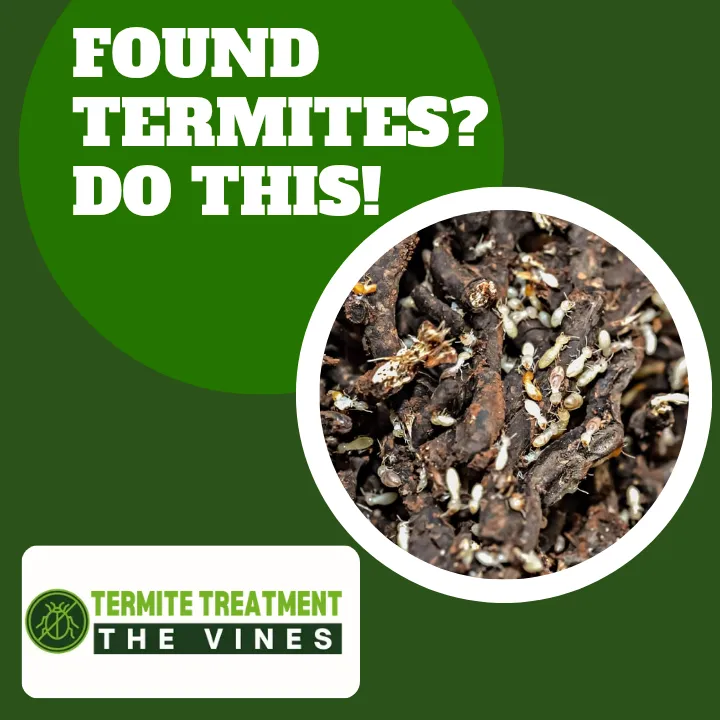
What to Do When You Find Termites?
Finding termites in your home is a genuine shocker. By the time you discover they’re there, the damage has already begun, or even worse, has been happening for some time already. So what can you do when you encounter termites?
The Aftermath of a Termite Infestation
Termites as a silent disease in your household. At first, you don’t notice the symptoms, but then, when they appear, the effects can be overwhelming. These are signs that homeowners commonly see:
Cracked or warped walls
Mud tubes along the wall
Floor or shelf droppings that look like sawdust
Damaged door frames or panels
What Should You Do When You Spot Termites?
You could consider DIY-ing it or reaching for a quick-fix spray, which typically only addresses surface-level issues. So you can have termites living in colonies deep in a wall, or in the ground.
Here’s what you should do:
1. Get a Professional Termite Inspection
Each home is unique, and each termite attack is unique. A pest control specialist can do a complete site survey to determine how bad the problem is and what kind of termites you have. This makes it possible to develop a personalized treatment plan that is effective.
2. Consider Long-Term Protection
Fast solutions might kill some visible termites, but a full treatment program is the only way to take out a colony. Consider long-term, professionally applied treatments that create a protective barrier around your home.
If you’re eco-friendly, inquire about safe termite control alternatives. These are safe and work well without negatively affecting the environment.
3. Stay Vigilant, Even After Treatment
Termites are sneaky. They can return even after treatment, able to ascend vertically through floors and ceilings and sideways along walls and soil. So it’s best not to let your guard down — routine checks are crucial.
Keep an eye on:
Door and window frames
Built-in furniture and cabinets
Corners of walls and skirting boards
Ceilings and wooden flooring
And recall Drywood termites are not the same as the usual Subterranean termites. Subterranean termites move in the soil, but, drywood termites can infest furniture and upper locations with no soil contact. There known to cause damage not even seen to eyes, like door frames and decorative wood.
Final Thoughts
It’s never good news to discover termites in your house, but acting fast and wisely can help prevent further damage. The earlier you confront the problem, the easier you can prevent more damage and costlier repairs down the road.
Ark Termite Treatment The Vines offers all pest control services in The Vines and surroundings. Feel free to contact us at (08) 6186 7468 or visit our website:
